For investors · An asset class forming in plain sight

The next anchor in retail is entertainment.

The buildings for it are already built, and they are on sale.

National entertainment operators now sign fifteen-year leases for the boxes department stores abandoned, and the market still prices many of those boxes as failures. Centers Dynamic Partners is building the platform to buy them, lease them and sell them, one box at a time, with thirty years of California retail behind it and its own capital in every deal.

4,746Entertainment locations207 concepts across the US and Canada, with 721 more announced (JLL, 2026)
8,100+Stores closed in 2025Each anchor closure leaves a 60,000 to 180,000 SF box at the best corner in its trade area
$60 to $227Per square footOne former Sears, same building, before and after Round 1 signed (Vancouver Mall, 2019 to 2022)
82%Pre-committedPacific View, Ventura: five national leases signed before a dollar of outside capital
Where entertainment is going

The transaction moved online. The reason to leave the house did not.

For twenty years the industry argued about whether e-commerce would kill physical retail. The answer was never binary. People still leave the house, for a different reason than they did in 1995: to be around other people, to do something with their hands, to give their kids a Saturday.

The category of real estate that serves that reason is growing while the category that served the transaction is shrinking, inside the same buildings at the same time. A tenant class with real demand and real credit is looking for large, well located, well parked boxes. A generation of department store anchors sit empty in exactly those locations. The spread between what those boxes are worth as failed retail and what they are worth as entertainment infrastructure is the investable opportunity.

The entertainment anchor is not a leasing trend inside the mall business. It is a distinct asset type with its own tenant credit profile, its own underwriting logic and its own repeatable acquisition template. It can be executed one box at a time, without owning the mall around it.
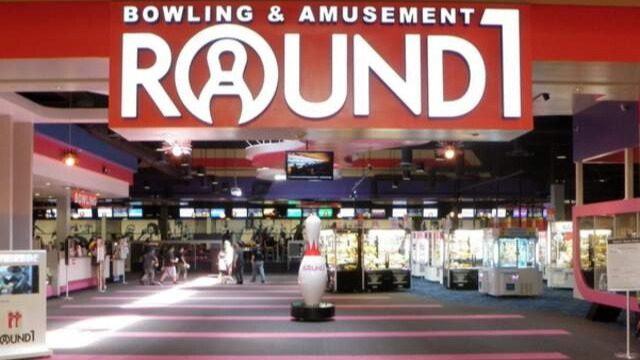
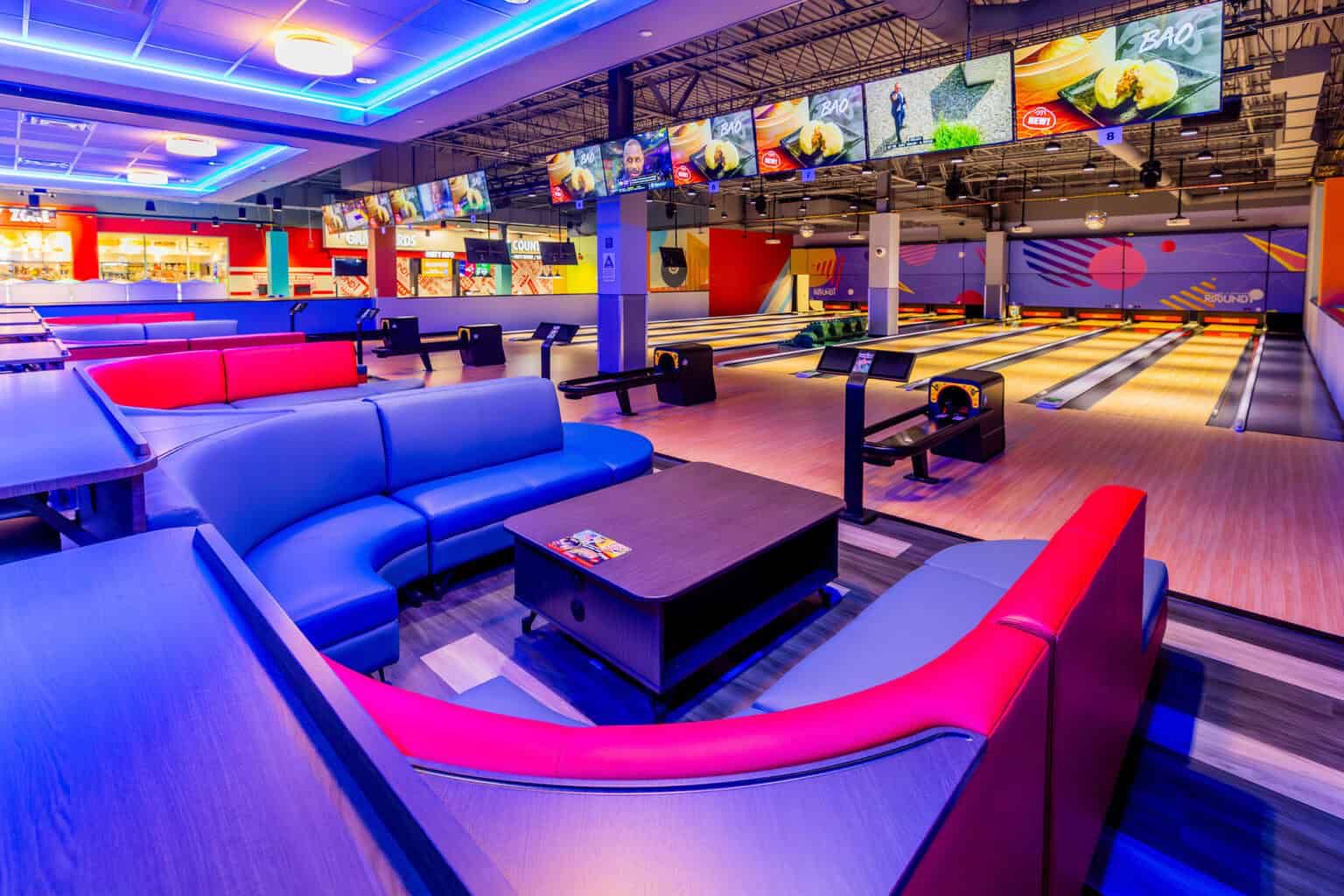
Round1 entrance at Pacific View, Ventura
Why now, and why it is financeable

Four things changed, and they changed together

Ten years ago a sponsor could fill a dead anchor with a trampoline park but could not finance it, insure the income or sell it to an institution. The building stayed worth what failed retail was worth. That is no longer true.

01

The tenant credit improved

The category consolidated. Chuck E. Cheese runs 465 locations, Bowlero 351, Dave and Buster's about 240. Round1 is listed in Tokyo and has told its shareholders it wants 150 to 200 US stores. When one of them signs a fifteen-year lease, a lender will lend against it and a buyer will pay a real multiple for it.

02

The formats were rebuilt for repeat visits

The one-time escape room gave way to scored challenge games, leagues, tournaments and birthday parties. Escape and challenge rooms grew 247 percent since 2023. Repeat visitation is what makes percentage rent underwritable.

03

The box was already the right box

Clear span, high ceilings, heavy floor loading, dedicated entrances and a parking field sized for a Saturday. That is a precise description of a 1970s department store. This is not adaptive reuse in the strained sense. The building was always infrastructure for gathering.

04

The pattern has been repeated in public

Round1 has converted dark anchors across California, Arizona, Illinois, New York, Pennsylvania, Texas and Washington. Level99, Netflix House, Meow Wolf and Dick's House of Sport all occupy boxes a department store walked away from, and wanted them because of what they already were.

What you are investing in

Not one building. A platform that outlives the pricing window.

The discount on these boxes will not last a decade. What a sponsor is left with once it closes is the platform: the screen, the tenant relationships and the underwriting templates. That is the difference between a sponsor who completes one of these and a sponsor who completes twenty, and it is decided by whether the first deal produced a template or just produced a building.

A site screening model

The acquisition criteria below turned into scored inputs and run against a maintained pipeline of dark anchors across the Western United States, rather than deal by deal.

An underwriting template

Entertainment-specific assumptions on base rent, percentage rent thresholds, tenant improvement and free rent, calibrated against executed comparables rather than traditional retail benchmarks.

A tenant relationship map

About 30 national operators actively expanding, with current format requirements, footprint ranges and committee timing. The relationships that leased Pacific View are documented, not remembered.

Buy the box, not the mall

Anchors sit on their own parcels with their own frontage and parking under reciprocal easements. We take the redevelopment upside without underwriting two hundred inline shops, and the surrounding center becomes a source of traffic rather than a liability.

The screen

Six criteria. Every box has to pass all of them.

  1. A vacant or dark anchor box between 40,000 and 150,000 square feet, structurally sound, with independent exterior access and its own parking field.
  2. A host center at 75 percent occupancy or better with at least two functioning traffic anchors. The play is to add a traffic generator to a stabilizing center, not to rescue a dying one.
  3. A trade area of 150,000 or more residents within a 20-minute drive, weighted toward families and young adults, with no competing large-format entertainment venue inside that ring.
  4. A municipality whose general plan already points toward entertainment and mixed use, which turns entitlement from a risk into a tailwind.
  5. Surplus land or parking beyond what the conversion consumes, since residual development capacity is value the entertainment use does not spend.
  6. A basis that still reflects the box as failed retail rather than as entertainment infrastructure.

The tenanting pattern: anchor, complement, margin driver. One national entertainment operator with real credit takes the majority of the box and supplies the traffic. One food-led concept captures the dwell time the anchor creates. Two to four smaller service or experience tenants absorb the residual square footage and the odd geometry that always exists in a converted department store.

From the white paper

The Entertainment Anchor

Why the next cycle in American retail real estate is being underwritten on connection rather than consumption, and why the dead department store box is the best entry point into it. Excerpts from the paper prepared for Centers Dynamic Partners, August 2026.

A building where a family spends a Saturday afternoon together is worth more, to them and eventually to its owner, than a building where they once bought a coat. The country is short of the first kind and oversupplied with the second, and closing that gap happens to be both a real return and, unusually for this business, worth doing.

Conclusion

The country decided those buildings were for selling sweaters, and when sweaters moved online it concluded the buildings had failed. That was a category error. The building never had much to do with sweaters. It was infrastructure for gathering, and gathering is the thing people are starving for.

Part Two: The Supply Side

The 2023 Surgeon General advisory documented that time spent alone rose by roughly 24 hours a month since 2003 while in-person socializing fell by about 20. Half of American adults report loneliness. That is a demand signal. It describes a population carrying a structural deficit of exactly the thing physical gathering places sell.

Part One: The Demand Side

In May 2019 Seritage sold the 121,593 square foot Sears anchor at Vancouver Mall for $60.04 per square foot. The buyer leased it to Hobby Lobby and Round1, then sold it in 2022 for $226.99 per square foot at a 6.71 percent cap rate. Same structure, same parking field, same intersection. The variable that moved was the tenant.

Part Four: Where the Entry Point Is

A sponsor acquiring an anchor box in the right trade area is not speculating that demand will appear. The demand has already been announced to a public market: Round1's parent commits in its investor materials to roughly ten American openings a year and a target of 150 to 200 United States stores.

Part Three: Why This Is an Asset Class

The constraint on scaling this is not capital and it is not deal flow. Both are abundant. The constraint is the operating discipline to run the same process twice, which is a documentation problem rather than a real estate problem.

Part Five: What Execution Requires

A thesis worth capital states its own failure conditions: overbuild, operator concentration, consumer contraction, basis compression, conversion cost surprises. None of these touch the underlying shift. They are execution and timing risks, which are the kind a disciplined sponsor is paid to manage.

Part Five: What Would Break This

The full paper, with sources, is available to qualified investors and partners on request. Request the white paper.

In George's words

Two ways to hear it

A two-minute film shot at the Real Estate GP LP Summit in New York, and five minutes of highlights from George's conversation on The Qi Time podcast.

Film · 2 minCenters Dynamic Partners: the cinematic introduction

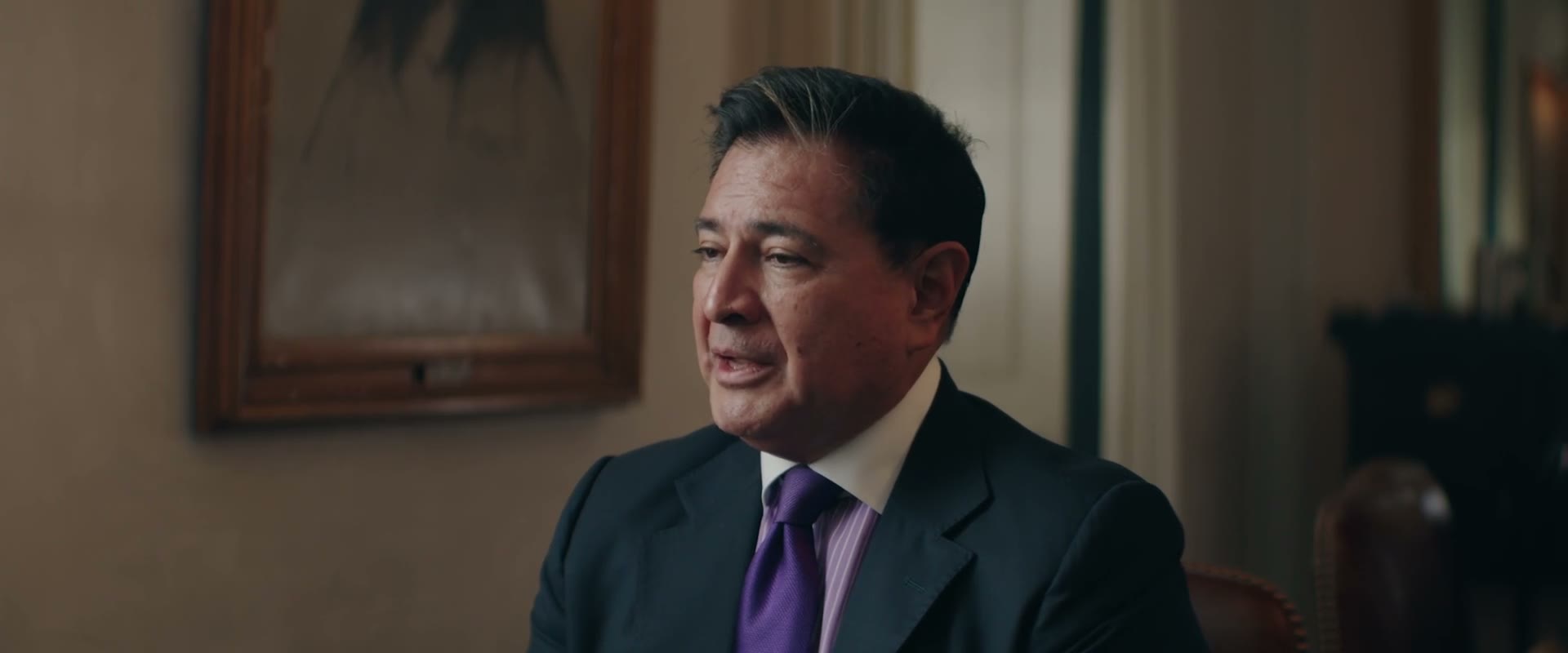
George A. Arce, Jr. on the firm's thesis: buy obsolete department store anchors well below replacement cost, reposition them with credit tenants, and exit finished product. Produced by Fondu, recorded in New York, September 2026.

Podcast highlights · 5 minGeorge Arce, Jr. on The Qi Time: the new mall anchor

Thirty years in retail real estate, the crash of 2007 and the way out, what e-commerce did to retail, and why the department store box is the opportunity. Episode 1, October 2026.

Proof, then program

One box at a time

The pattern is not hypothetical. The first box is open and 82 percent leased, the second is identified, and each one reads against the same screen.

Round1 interior at Pacific View
Open · Ventura, California

Pacific View

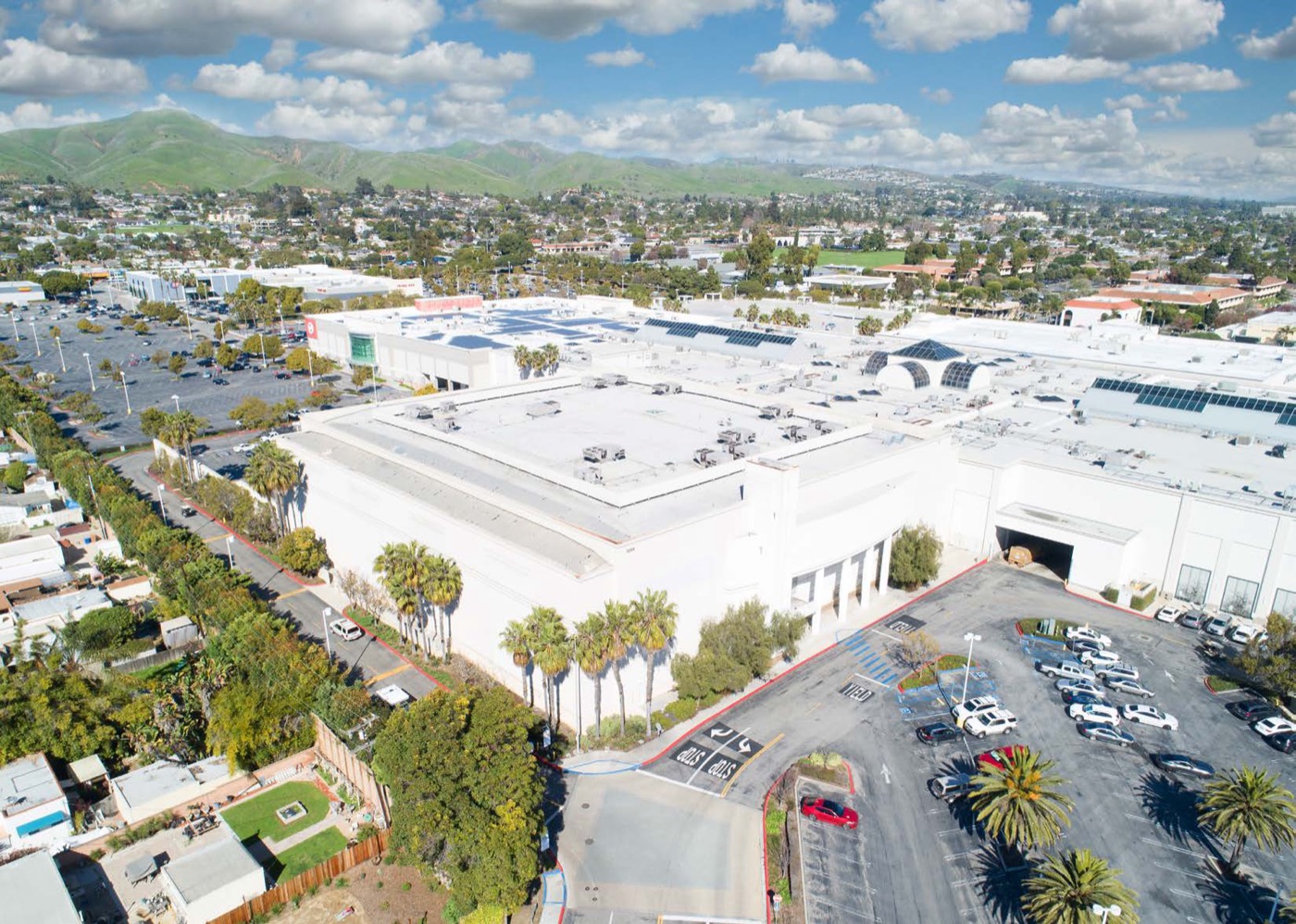
The former Sears at Pacific View Mall: 161,937 SF on its own parcel, acquired off market in 2022, beside a mall drawing 6.7 million visits a year. Round1 opened October 10, 2026 as the first Round1 in Ventura County. Five national leases cover 82 percent of the building: Round1, the YUU Japanese food hall, Spaces by IWG, Kids Empire and Altitude Trampoline Park. Two third-floor suites remain.

Investor site →  ·  Leasing →

George Arce
Next · Phoenix, Arizona

Desert Sky Mall

The former Burlington box at Desert Sky Mall, 7611 West Thomas Road, West Phoenix. The second deployment of the same screen and the same tenanting pattern, with Round1 again as the anchor. Materials are available to qualified investors on request.

Ask about Phoenix →

Aerial of a vacant department store box with its own parking field
The program

A national pipeline of dark anchors

More than 8,100 stores closed in 2025 and the JCPenney contraction continues to generate inventory. Supply of boxes is not scarce. What is scarce is a sponsor with the tenant relationships to lease them and the discipline to repeat the process. Centers Dynamic Partners is building that sponsor, and the Pacific View template is the proof of concept for a multi-box program across the Western United States.

George A. Arce, Jr.
The sponsor

George A. Arce, Jr.

President and CEO, Centers Dynamic Partners

George founded Centers Dynamic Partners in 1996 and has spent more than thirty years buying, fixing, leasing and selling retail across California and the Western United States. The playbook has held through every cycle: find the broken asset before it reaches a broker's listing, fix it with capital and signed leases, and sell finished product to buyers who pay retail prices for it. Since 2012 the firm has repositioned more than 580,000 square feet of retail, from a 97 percent vacant center in Escondido turned around through the pandemic to a Save Mart-anchored center in Fresno renovated and sold on a 48-month plan.

Pacific View is the same playbook at larger scale. George sourced and controlled the Sears box before it ever reached the market, signed the leases, structured the capital plan, and keeps the firm's own equity in the deal alongside its investors on the same terms. He says, first and foremost, that he is a husband and a father, and that thirty years in this business have been both a blessing and an education.

1996Founded Centers Dynamic Partners
30+ yearsRetail real estate
580,000 SFRepositioned since 2012
MBAUniversity of Notre Dame; B.S. Finance, Golden Gate University
Next step

Investors first. Operators and owners of dark boxes, you too.

If you invest in real estate, ask for the Pacific View and Phoenix materials and a 30-minute call with George. Offerings are made only to verified accredited investors under Rule 506(c). If you operate an entertainment, food or family concept looking for a box, or you own a dark anchor and want a buyer who can actually lease it, the same address works. No investor-relations layer. The people behind this answer the phone.

George A. Arce, Jr., President and CEO  ·  George@centersdynamic.com  ·  650-260-7660 Ext. 3

Azita Manson, Investor Relations  ·  azita@centersdynamic.com  ·  408-891-1044

Centers Dynamic Partners · 1611 Borel Place, Suite 209, San Mateo, CA 94402

Email us